
OUR COUNCIL
The Public Health Association of New Zealand (PHANZ) is governed by an Executive Council who are responsible for determining the national strategy and policy for the association; in consultation with its members, and oversees its implementation.
The Executive Council is made up of ten members, two Co-Presidents, a Treasurer and seven Council Members. At least fifty percent (five or more members) are to be Māori, including at least one Co-President.
“Ehara taku toa i te toa takitahi, engari he toa takitini –
My success is not mine alone, it is the success of the collective.”

Dr Ramil Adhikari (JP), CO-PRESIDENT (General)
Ramil Adhikari has been associated with the Public Health Association of New Zealand (PHANZ) for the last 8 years. He has been the Chairperson of the PHANZ Wellington Branch since 2019.
A multilinguist, Ramil is a skilled polyglot – speaking Chinese (mainland), Dutch, Nepali, Hindi, Punjabi and English.
Ramil also serves the community as a Justice of Peace, a Marriage Celebrant, a Board member of KiwiClass and as President of the Nepalese Culture & Tourism Promotion Forum New Zealand (NCTPF-NZ). Furthermore, he is a White Ribbon Ambassador committed to ending violence against women and a Hon. Public Relation Representative from the government of Nepal to New Zealand.
Ramil is a strong advocate for health equity in New Zealand and works as Principal Advisor, Equity and Community Engagement, with the Outbreak Response Directorate, National Public Health Service at Te Whatu Ora.

Patrick Salmon, CO-PRESIDENT (Māori)
Tribal affiliations: Mataatua, Ngāti Awa
Patrick Salmon is a husband and father of six who is committed to achieving the positive aspirations of wellbeing for Māori.
He is an advocate and public voice for ways to share and uphold the well-being of Māori in modern-day society. He uses his creative skills and innovative thinking to develop solutions that support the oranga aspirations of a person's life journey.
With an ongoing commitment to learning, Patrick is currently completing a PHD in Māori Development and Advancement at Te Whare Wānanga o Awanuiarangi and he holds a Master's degree in Applied Indigenous knowledge from Te Wānanga o Aotearoa, with years of experience and support in the governance space for tribal and mainstream entities along with a multitude of different community groups that support the wellbeing of Māori.
Patrick is a steering committee member of Power To Protect (shaken baby prevention) and has a passion for pairing ancestral knowledge and recent research with different technologies to create a more responsive health experience for whānau.
Patrick is acknowledged as one of the 100 Māori Leaders acknowledgement program 2023-2024 from Te Rau Ora for his work in leading KAIRUA, an online movement dedicated to creating positive change within communities across Aotearoa and the globe through his Indigenous Innovation work. Patrick has accumulated an online community consisting of thousands of indigenous innovators and creators who tune in, interact and share content daily across multiple social media platforms.

Dr Nari Faiers is a highly experienced professional in the field of Māori development, with a strong background in applied research, policy, and strategic programme leadership across multiple sectors. Her career spans key roles in public, academic, and health institutions, where she has consistently advanced Māori aspirations through evidence-based initiatives and indigenous frameworks.
Dr Faiers has served as a specialist in the Māori Growth Programme at Auckland Tourism, Events and Economic Development (ATEED), where she contributed to strategic initiatives designed to enhance Māori economic participation and cultural visibility.
Her academic credentials include a Master’s thesis (2014) focused on tribal governance and the management of sacred spaces. This research examined the enduring authority of Tūhourangi and Ngāti Tumatawera over Rotokākahi (Green Lake), navigating the impacts of colonisation, land confiscation, and the challenges of New Zealand’s resource management frameworks. The research involved deep collaboration with iwi members and key stakeholders in the Rotorua region, producing insights into the cultural, environmental, and political significance of the site.
In 2015, Dr Faiers led the Global Auckland Research Project, a high-profile initiative that brought together the pūrākau (tribal narratives) of the twenty-one-mana whenua iwi of Tāmaki Makaurau. The project required extensive engagement and negotiation across iwi with diverse historical and cultural perspectives on the region. Her leadership in this work was recognised with an Equity Award presented by Tā Pita Sharples in 2016.
Most recently, Dr Faiers completed a doctorate in Indigenous Development and Advancement at Te Wānanga o Awanuiārangi. Her doctoral research investigated Māori models of resilience in response to crisis, with a particular focus on Indigenous research methodologies and the development of Kaupapa Māori praxis. Her work champions the prioritisation of Māori worldviews and knowledge systems, ensuring culturally grounded outcomes for both researchers and communities.
Dr Faiers' professional experience also includes significant contributions to Māori health and wellbeing, particularly through her work with wāhine. She has been involved in national and community health initiatives such as the Cervical Screening Programme, Women’s Refuge, and Hāpai Te Hauora. She currently holds a position at Health New Zealand, Hauora Māori Services, where she focuses on addressing alcohol-related harm through culturally responsive and community-led approaches.
BMD, MA FIRST CLASS HONOURS, IDA
Tribal affiliations: Ngāti Whakaue, Tūhourangi Ngāti Wāhiao, Tapuika, Ngāpuhi.
Nari Faiers,
Council member (Māori)
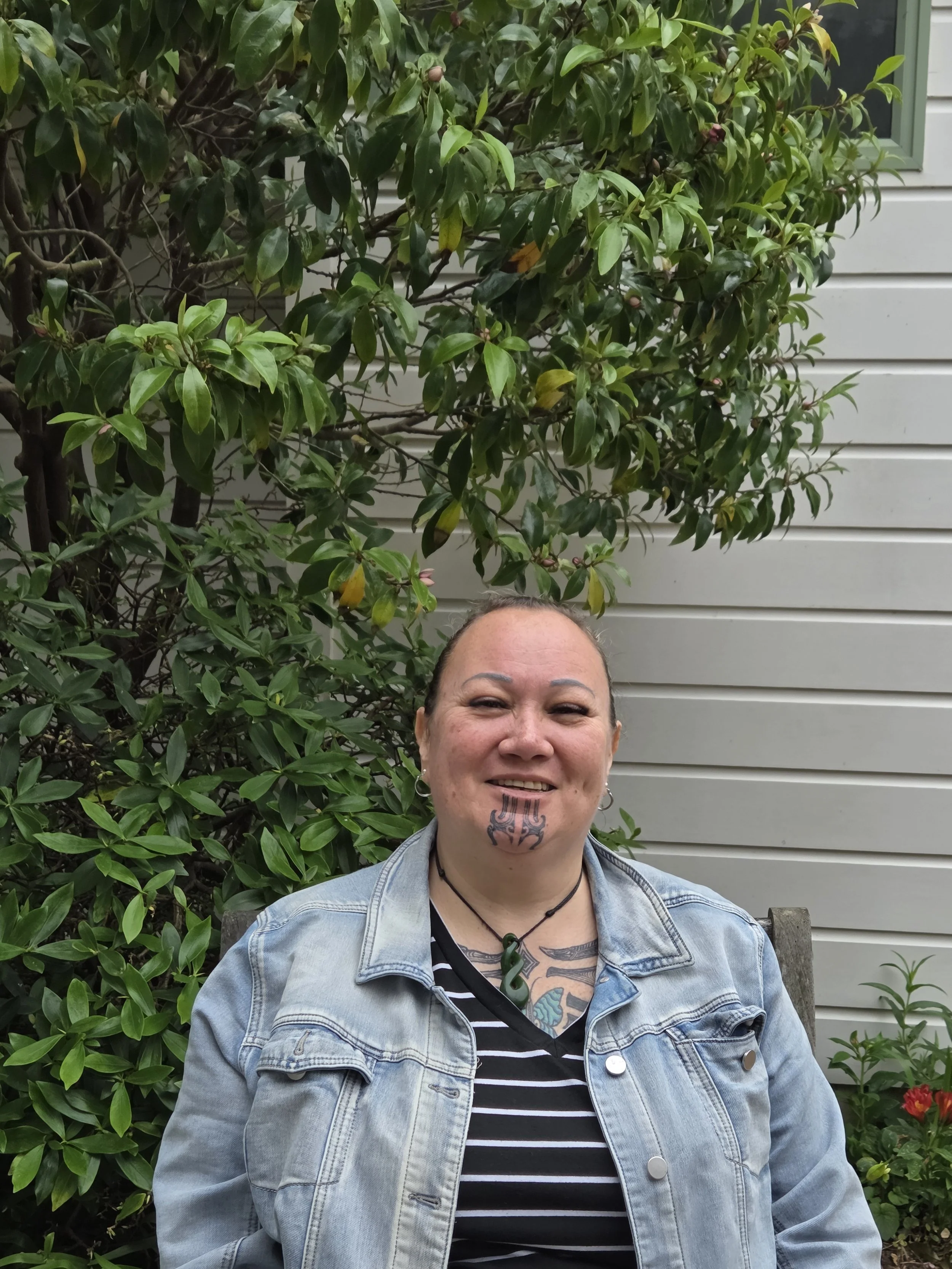
Jean Rangiwai is a proud mother, grandmother, and great-grandmother whose whānau inspire her commitment to building a stronger, more equitable public health system for future generations. With over 15 years of experience in governance, policy, and leadership within the public health sector, she brings a deep understanding of the systemic challenges and opportunities involved in improving health outcomes across Aotearoa.
She is a Chartered Accountant and lawyer, holding degrees in Commerce, Commercial Law, Public Policy, and Health. Her postgraduate research has focused on Māori health outcomes, colonisation, health disparities, and rangatahi suicide prevention. She has extensive governance experience across charitable and professional boards, with expertise in financial oversight, risk management, and strategic planning, and is an Associate Member of the Institute of Directors.
Guided by Te Tiriti o Waitangi, she prioritises kaupapa Māori approaches and equitable decision-making. She is passionate about strengthening rangatahi mental health, addressing whānau distress, and improving access to care, and is honoured to serve on the PHANZ Council.
CA, AInstD, MPP, LLB, BMS (Hons)
Tribal affiliations: Ngāti Porou
JEAN RANGIWAI,
Council member (Māori)

Sheldon Aitken serves as the Māori Representative on the Executive Council of the Public Health Association of Aotearoa New Zealand. Sheldon has recently completed her Bachelor of Health Science (Integrated Human Health) and plans to continue her academic journey by pursuing a Master’s in Health Science.
Her pathway into the health sector began with her work as a dental assistant, where she developed a strong foundation in patient care and gained firsthand insight into the barriers many whānau face when accessing health services. These early experiences strengthened her commitment to uplifting Māori health and addressing long-standing inequities across the motu.
Sheldon is driven by a deep passion for improving outcomes for Māori communities and ensuring that public health approaches reflect mātauranga Māori, lived experience, and the voices of whānau. In her role, she is dedicated to advocating for system-level change, strengthening equity-focused leadership, and contributing to a future where Māori health and wellbeing are protected, valued, and prioritised.
Tribal affiliations: Ngāpuhi
sheldon aitken, Council member (Māori)
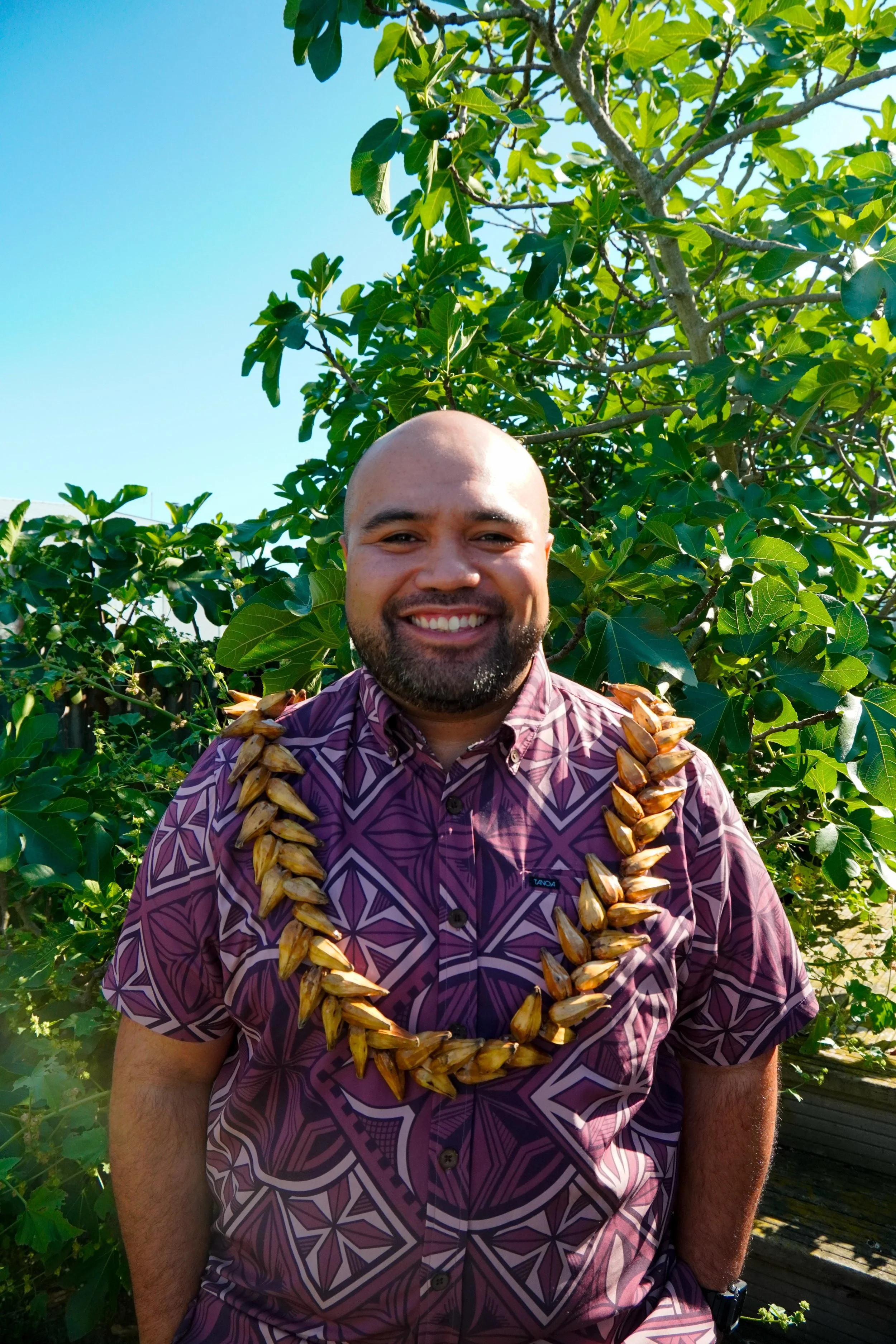
Ali Leota is a proud Sāmoan from the villages of Apolima-Uta, Mulifanua, Letogo & Nofoali’i. Growing up in Porirua he was inspired by the strong women in his life, his wife, mother and both his nanas, who each served in the health system as nurses, midwives and a taulasea (traditional healer), which motivated him to join them and contribute to the health and wellbeing of people in his community.
Ali now serves as a Pacific Senior Advisor - Prevention for the Pacific Public Health Directorate at National Public Health Service – Health New Zealand. Here he leads out on public health programmes to help prevent ill health of Pacific peoples across Aotearoa New Zealand. Prior to this he served as a Population Health Advisor for Hawke’s Bay DHB Public Health Unit that operated in a similar capacity with a particular focus on communities in Te Matau a Māui - Hawke’s Bay.
Both roles were testament to his time at Te Herenga Waka - Victoria University of Wellington where he was heavily involved in student voice and blessed to be one of the first to ever graduate from the Faculty of Health with a Bachelor of Health in Population Health, Policy & Service Delivery in 2020.
Outside of this, Ali is a volunteer for life to the Pacific communities in Porirua and Hawke’s Bay and is always willing to support others realise their aspirations. Postgraduate study in public health is on the horizon, but for now he is loving his time serving Pacific peoples across Aotearoa and growing in his Sāmoan culture.
ALI LEOTA,
Council member (PACIFIC)

Nivedita Sharma Vij, Council Member (Asian) & Asian Caucus Chair
Nivedita, an overseas-trained dietitian, has proudly called New Zealand home for the past two decades, embracing the culture and community that surrounds her. With a wealth of experience spanning 25 years in Primary, Secondary, Public, and Integrated health and Wellness sectors, Nivedita has dedicated her career to whānau and communities focused health prevention, protection, education, promotion, innovations, and quality improvements. Her guiding principles are governed by Te Whare Tapa Whā, placing emphasis on effective co-designing, developing services, and contributing to community-centric policies and legislations.
Nivedita's leadership extends beyond professional realms, as she actively engages in community and governance roles. Her commitment and passion for bridging the gap between marginalized communities and mainstream social, health, and educational services are evident through her authentic and distributive leadership approach.
Nivedita is eager to collaboratively work with PHA Board members, management, and Maori, Pacific, and Asian caucuses to continue serving the people and communities of New Zealand.
OUR TEAM

Dr Cadence Kaumoana, Chief Executive Officer
Contact:
Dr Cadence Kaumoana (Ngāti Maniapoto, Waikato, Ngāti Apakura, Te Ati Awa, Ngāti Pāoa) has an extensive background in executive leadership, strategic management, and governance & compliance. With a career grounded in public health, education, and community development, she is deeply committed to advancing health equity, honouring Te Tiriti o Waitangi, and amplifying the voices of underrepresented communities across Aotearoa.
Dr Kaumoana leads PHANZ through a time of transformation — strengthening the public health workforce, influencing national policy, and connecting global perspectives with local solutions. Her work is driven by a vision of a just, inclusive, and thriving Aotearoa where wellbeing is a right, not a privilege. Known for her strategic clarity and unwavering focus on equity, she is a catalyst for courageous conversations and bold systems change.

Katie Barden, Finance Officer
Contact: finance@pha.org.nz
Katie Barden is the Finance Officer for the Public Health Association of New Zealand (PHANZ), bringing nearly two decades of experience in bookkeeping and finance support roles.
Katie’s expertise in managing financial operations ensures that PHANZ's back-office functions run smoothly, allowing the rest of the team to concentrate on advancing the organization's mission.