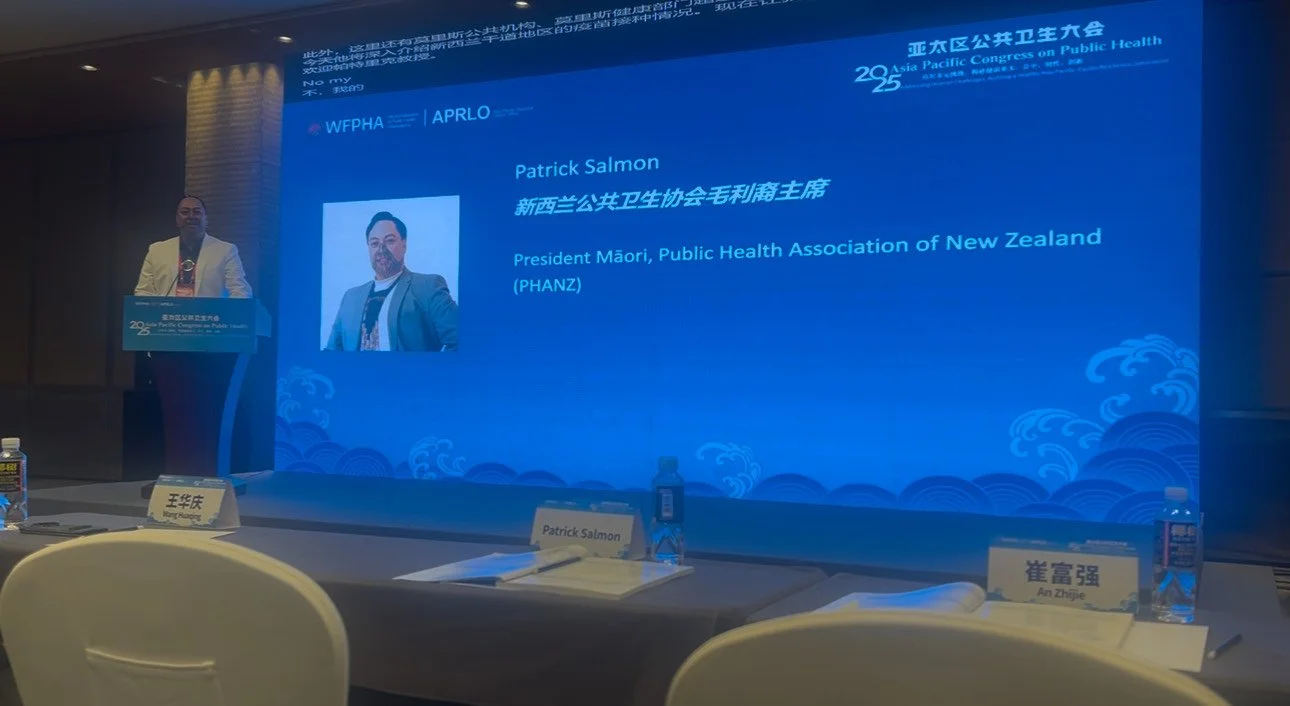
The Asia Pacific Congress on Public Health, held in Boao, Hainan from 28 to 30 November 2025, brought together leading public health officials, researchers, policymakers, and practitioners from across the region. This major biennial gathering serves as a platform for sharing advances in public health, exploring emerging global health challenges, and fostering collaboration between countries working to improve population wellbeing. The 2025 congress placed particular emphasis on innovation, equity, and the incorporation of Indigenous knowledge into modern health systems.
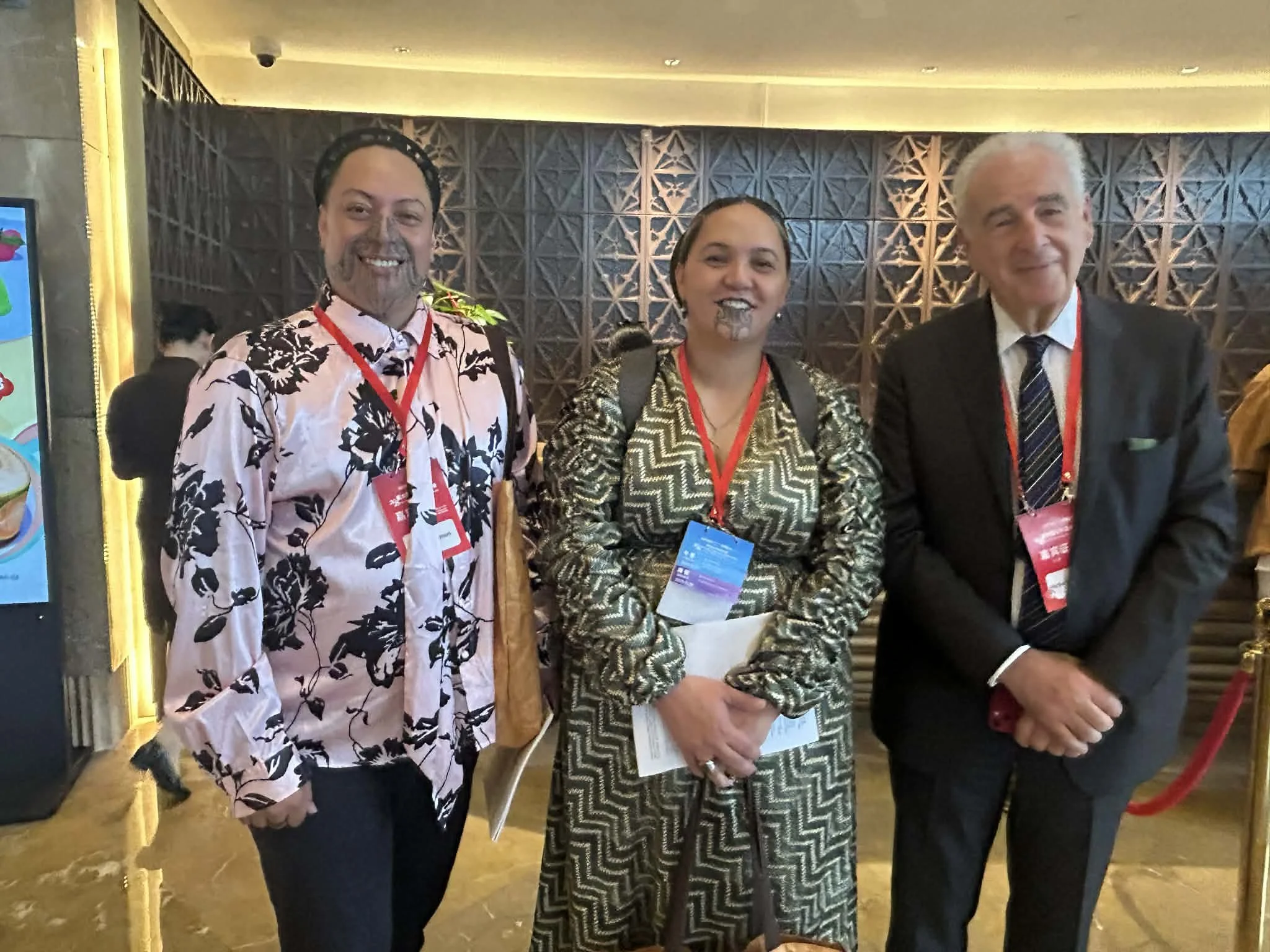
PHANZ participated in this year’s event with Pat Salmon, PHANZ Co-President Māori, representing the organisation among international delegates and providing an opportunity to showcase Aotearoa New Zealand’s public health priorities while learning from regional leaders and emerging global trends.
Pat gave a presentation on "Immunisation in Aotearoa New Zealand: Challenges and the Path to Pae Ora." The presentation outlined our Government’s focus on lifting immunisation rates, explained the current national health target, and provided a candid assessment of the decline in immunisation coverage, highlighting the systemic inequities affecting Māori, Pacific peoples, and children in high-need areas. It also set out a vision for an equitable immunisation system in Aotearoa New Zealand.
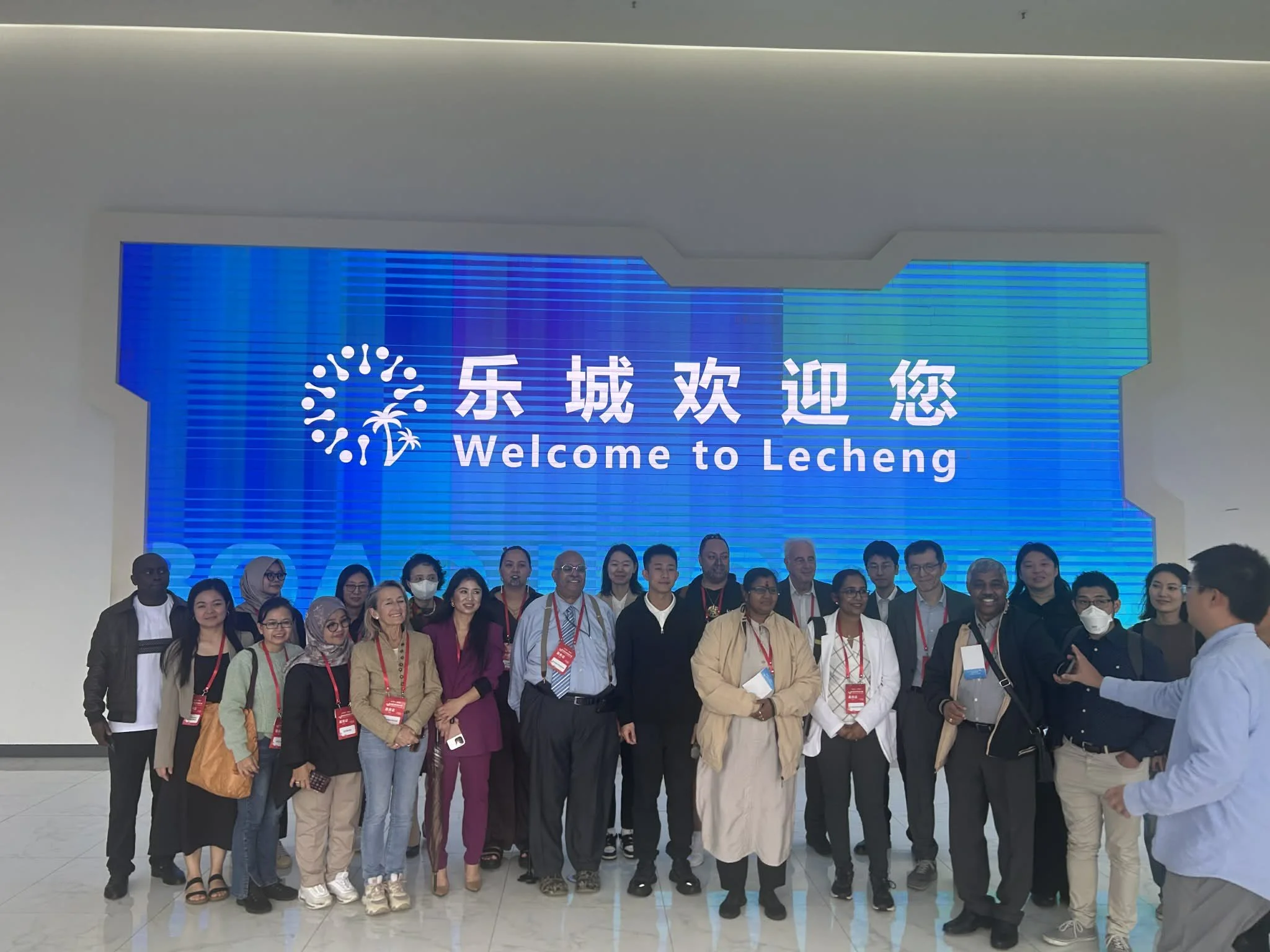
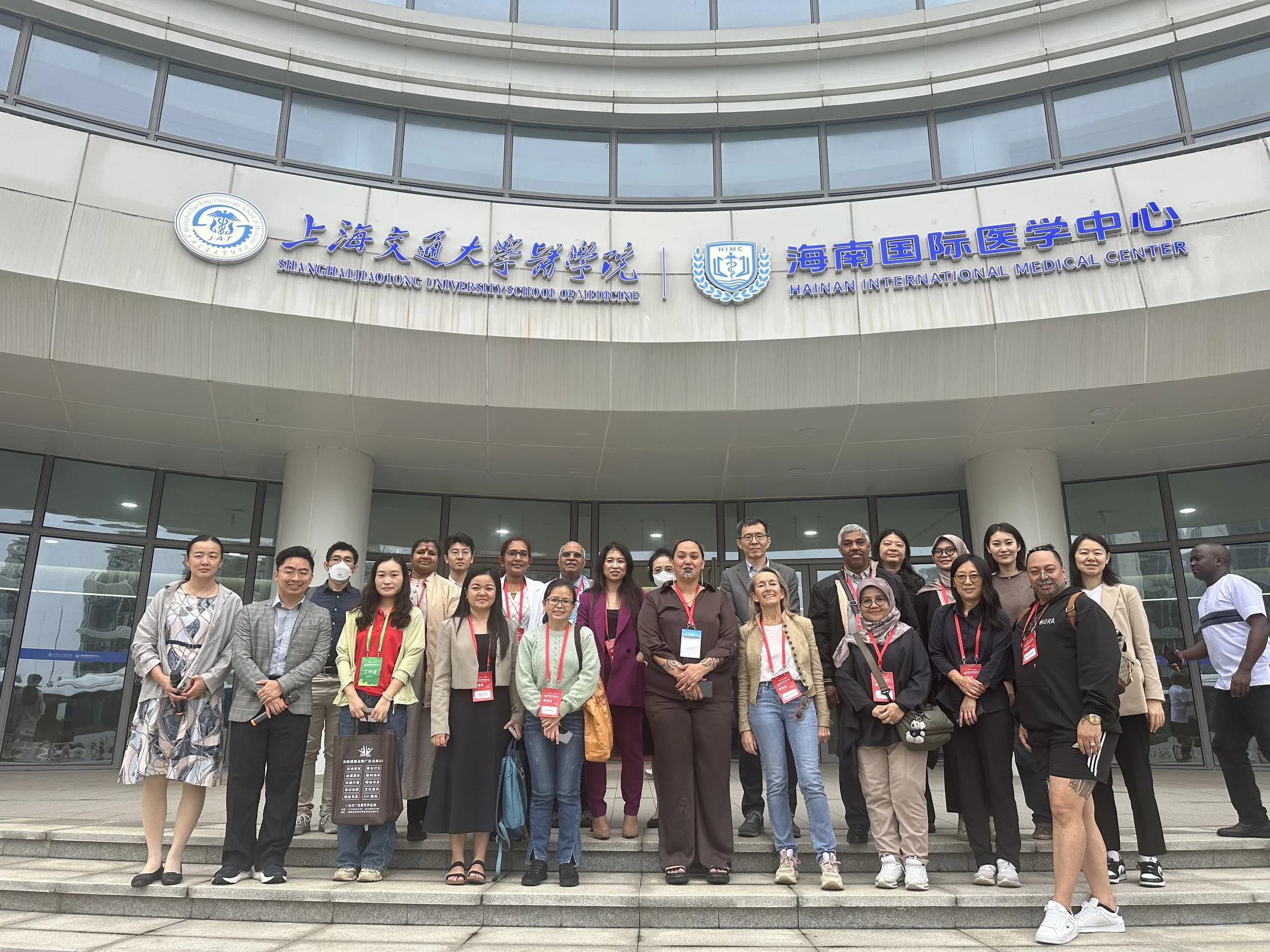
As part of the congress, Pat also joined a technical tour showcasing cutting-edge Chinese medical technologies, including advanced diagnostic equipment, digital health platforms, and innovative care devices. These insights into rapidly developing health technologies may have relevance for Aotearoa New Zealand’s future service planning and health sector innovation.
A strong and recurring theme throughout the congress was the role of Indigenous knowledge in strengthening modern public health frameworks. This presents a clear opportunity for Aotearoa New Zealand – particularly through Māori leadership – to contribute unique insights to international public health discourse. This aligns strongly with PHANZ’s commitment to honouring Te Tiriti o Waitangi and embedding equity-led practice across its immunisation mahi.
The PHANZ’s participation helped elevate Aotearoa New Zealand’s public health priorities on the international stage and was a highly productive forum for knowledge exchange, benchmarking, and strategic networking. It successfully promoted Aotearoa New Zealand's public health and immunisatopm priorities while identifying valuable international innovations and a clear platform for Indigenous contribution to global health.